

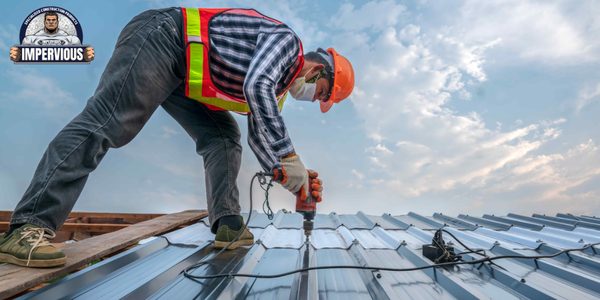
Protecting Metal Roofs from Water Ingress
Metal roofing systems are widely used across commercial and industrial buildings due to their strength, longevity and clean finish. However, they are not immune to the effects of continuous exposure to rain, wind and temperature changes. Over time, these conditions can create vulnerabilities that allow water to enter the building envelope.
Constructed using overlapping sheets, fixings and junctions, metal roofs rely heavily on the performance of individual components. When these elements begin to deteriorate or move, the risk of water ingress increases, potentially leading to corrosion, internal damage and long-term deterioration.
Why Water Management Matters
Unlike continuous roofing systems, metal roofs are made up of multiple connection points. Each fastener, seam and penetration represents a potential entry point for moisture.
Thermal movement adds to this challenge. As temperatures fluctuate, metal expands and contracts, placing stress on joints and fixings. Over time, this movement can weaken seals and create small gaps where water can enter.
Recent insights published by Roofing Today highlight that fasteners are among the most common failure points in metal roofing systems, with moisture ingress at these locations often leading to corrosion and progressive deterioration.
Where Problems Commonly Occur
Water ingress in metal roofing systems is rarely uniform. Instead, it tends to occur in specific areas where movement, exposure or detailing create additional pressure on the system.
These typically include:
- Fasteners and fixing points.
- Seams and overlaps between sheets.
- Roof penetrations such as pipes and services.
- Areas where existing coatings have deteriorated.
In these locations, even small failures can allow moisture to enter beneath the surface, where it can spread and affect both the roof structure and internal building elements.
Where Modern Waterproofing Can Support
While metal roofs are designed to provide long-term protection, certain areas benefit from additional waterproofing support. This is particularly relevant in ageing roofs, refurbishment projects or areas exposed to increased movement and wear.
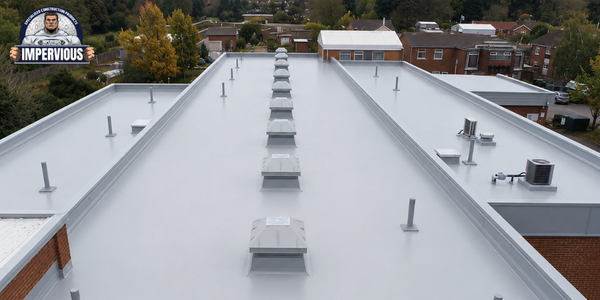
Liquid-applied waterproofing systems offer a practical solution by forming a seamless, fully bonded membrane across the surface. This approach eliminates joints and seals around complex detailing, helping to protect vulnerable areas without the need for extensive structural alterations.
In addition, these systems can accommodate ongoing movement, making them well suited to metal substrates that expand and contract over time. Certain systems can also incorporate reflective finishes, helping to reduce heat absorption and support more stable surface temperatures.
Making Informed Waterproofing Decisions
Protecting metal roofing systems requires a clear understanding of how and where failures are likely to occur. By identifying vulnerable areas and selecting systems suited to these conditions, it becomes possible to reduce the risk of water ingress and extend the lifespan of the roof.
Rather than relying solely on traditional methods, incorporating modern waterproofing systems can provide an added layer of protection where it is most needed.
Supporting Long-Term Performance
Ensuring long-term performance involves more than addressing visible issues. A proactive approach to waterproofing helps prevent moisture from entering the structure in the first place, reducing the likelihood of future repairs and disruption.
At Impervious Waterproofing®, we provide liquid-applied systems designed to deliver seamless, durable protection across metal roofing applications. Our solutions are developed to perform in real-world conditions, helping to maintain the integrity of the roof over time.
For more information on our waterproofing systems or to discuss a specific project, visit our contact page or contact our team for further guidance.

Leave feedback about this
You must be logged in to post a comment.