

How Climate Change Is Shaping Waterproofing Standards in the UK and Beyond
Waterproofing has always been essential in protecting buildings from water ingress but changing climate patterns are raising the stakes for contractors and building owners alike. The UK along with many parts of the world is experiencing more frequent and intense rainfall which increases the demand for advanced waterproofing solutions that can withstand these challenges.
Rising Rainfall and Its Impact
Recent climate data from the UK Met Office shows that heavy rainfall events have become more common over the past decade leading to a higher risk of flooding and water damage in buildings. Their projections indicate that by 2070, intense rainfall could happen twice as often as it did in 1990 with summer rainfall intensity rising by up to 20 per cent and winter rainfall by up to 25 per cent. These changing weather patterns mean that traditional waterproofing systems designed for past conditions may no longer provide adequate protection.
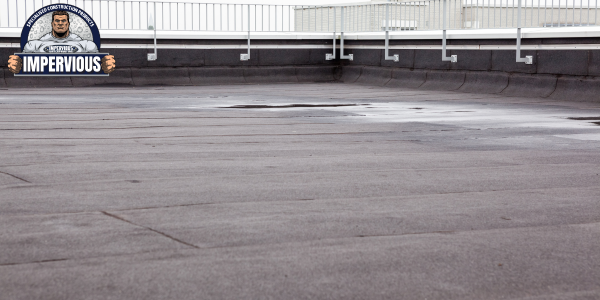
Increased rainfall intensity often leads to ponding water on roofs and balconies which, if not properly addressed, can accelerate structural damage and reduce a building’s lifespan. This makes effective waterproofing critical in safeguarding infrastructure and reducing costly repairs.
Evolving Standards and Regulations
In response to these challenges, waterproofing standards are evolving to meet new environmental demands. British Standards such as BS 8102:2022 now place greater emphasis on designing systems that resist hydrostatic pressure and prolonged water exposure. The updated guidelines encourage the use of seamless, flexible membranes that can accommodate building movement while maintaining their waterproofing integrity over time.
Looking Ahead
As climate change continues to influence weather patterns worldwide it is critical for contractors and specifiers to stay informed about updated waterproofing practices. Choosing appropriate systems, preparing surfaces meticulously and adhering to evolving standards will help ensure that structures remain resilient against future water ingress, protecting both the safety of occupants and the longevity of the building.


Leave feedback about this
You must be logged in to post a comment.